
Water and wastewater treatment plants rely on continuous, reliable material-handling systems to keep treatment processes operating efficiently. From removing large debris and screening wastewater to transporting sludge and handling accumulated solids, conveyor chains play an essential role in plant operations.
However, wastewater treatment environments present significant challenges for mechanical equipment. Continuous exposure to moisture, chemicals, corrosive substances, abrasive solids, and fluctuating operating conditions can accelerate chain wear, corrosion, and mechanical failure.
Choosing the right conveyor chain is therefore critical to maintaining operational efficiency, minimizing downtime, and reducing long-term maintenance costs.
Industrial chain manufacturers - GIDI chains provide engineered chain for water and wastewater treatment applications, including screening systems, sludge handling equipment, and specialized conveying machinery.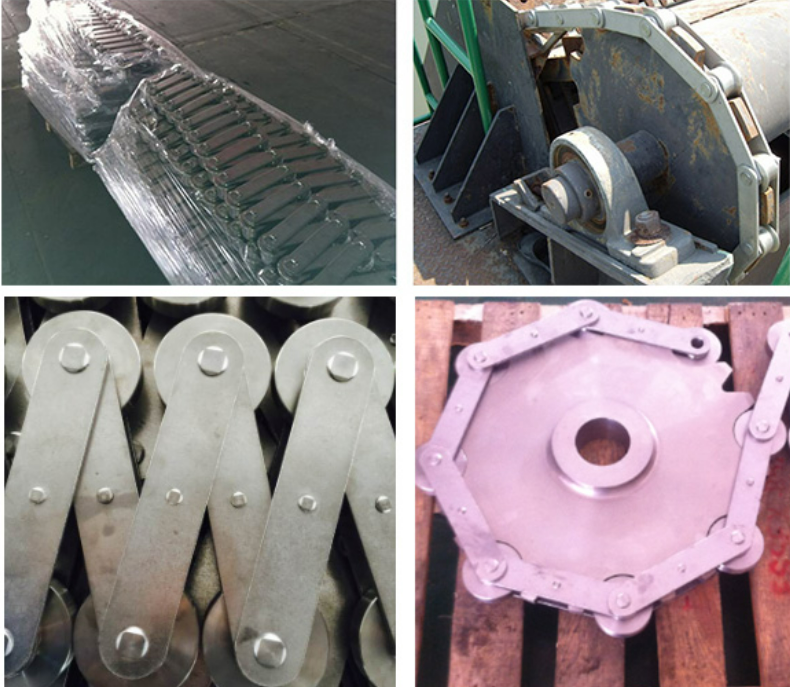
1. The Role of Conveyor Chains in Water and Wastewater Treatment
Water treatment involves several stages designed to remove physical contaminants, suspended solids, organic matter, and harmful microorganisms. Conveyor chains are primarily used in the mechanical handling stages, where they transport collected debris, sludge, and other materials.
Typical applications include:
1.1 Coarse and Fine Screening
Screening is usually one of the first stages of wastewater treatment. Bar screens and fine screens remove large and small solid materials such as plastics, rags, leaves, and other debris.
Chain-driven screening systems move the screening elements continuously, lifting collected waste from the wastewater flow for removal and disposal.
The chains must withstand:
Continuous contact with water and wastewater.
Abrasive debris and accumulated solids.
Repeated mechanical loading.
Corrosion from wastewater and chemical exposure.
1.2 Sludge Collection and Transportation
During wastewater treatment, suspended solids settle and form sludge. Chain-driven scraper systems and sludge conveyors help collect and transport this material through different treatment stages.
Common applications include:
Primary sedimentation tanks.
Secondary clarifiers.
Sludge collection systems.
Sludge thickening and dewatering facilities.
These systems require chains with sufficient tensile strength, wear resistance, and reliable operation under continuous loading.
1.3 Grit and Solid Waste Handling
Grit chambers remove sand, gravel, and other heavy inorganic particles from wastewater. Conveyor chains are used in some systems to transport collected materials to discharge points.
Because grit and solid particles can cause significant abrasion, chain components must be designed to resist wear and mechanical impact.
1.4 Water Sampling and Specialized Handling Equipment
Specialized chain systems may also be used in water sampling and other treatment-related equipment. Their design depends on the equipment layout, operating conditions, and required movement.
Overall, conveyor chains help automate material handling and reduce the need for manual intervention throughout water and wastewater treatment facilities.
2. Common Types of Conveyor Chains Used in Water Treatment
Different treatment processes require different chain designs. Chain selection depends on the conveying mechanism, load, operating speed, installation environment, and maintenance requirements.
2.1 Steel Conveyor Chains
Steel conveyor chains are commonly used in heavy-duty applications requiring high tensile strength and mechanical durability.
Key characteristics:
High load-bearing capacity.
Good resistance to mechanical impact.
Suitable for heavy debris and sludge handling.
Available in different chain configurations and dimensions.
However, ordinary carbon steel can corrode quickly in wet or chemically aggressive environments. Protective coatings or alternative materials may be necessary.
2.2 Stainless Steel Conveyor Chains
Stainless steel chains are designed for environments where moisture and corrosion are major concerns.
Key characteristics:
Improved corrosion resistance.
Suitable for continuous exposure to water.
Good mechanical strength.
Available in different grades and configurations.
The appropriate stainless steel grade should be selected according to chloride concentration, chemical exposure, temperature, and other operating conditions. Stainless steel is not completely corrosion-proof.
2.3 Non-Metallic Conveyor Chains
Non-metallic chains are widely used in certain wastewater sludge collection and scraper systems.
They can be manufactured from engineering plastics or other specialized polymer materials, sometimes combined with metallic pins or reinforcement components.
Key characteristics:
Excellent corrosion resistance in suitable environments.
Lightweight construction.
Reduced lubrication requirements for certain designs.
Reduced risk of rust-related maintenance.
Suitable for chain-and-flight scraper systems.
These chains are particularly useful where corrosion resistance and reduced equipment weight are important.
2.4 Cast Conveyor Chains
Cast chains are used in heavy-duty industrial conveying applications where robust construction and resistance to demanding operating conditions are required.
Depending on the alloy and design, they can provide:
Strong mechanical construction.
Good wear resistance.
Heavy-load conveying capability.
Custom configurations for specialized equipment.
Material selection and surface protection should be evaluated carefully for wastewater environments.
3. Materials and Components: Choosing the Right Combination
A wastewater conveyor system is more than just a chain. Its performance depends on the compatibility of chains, sprockets, shafts, scraper flights, bearings, and wear components.
Component | Common materials | Main function |
|---|---|---|
Chain links | Carbon steel, stainless steel, cast materials, engineering plastics | Transmit mechanical force |
Pins and bushings | Stainless steel, alloy steel, specialized materials | Connect links and allow articulation |
Sprockets | Steel, cast iron, UHMW polyethylene, nylon | Transfer drive power |
Scraper flights | Fiberglass, laminated wood, engineering plastics | Move sludge and debris |
Wear shoes | UHMW, polyurethane, steel, cast iron | Reduce friction and wear |
Wear strips | UHMW polyethylene and other wear-resistant materials | Protect contact surfaces |
Why UHMW Polyethylene Is Used
UHMW (Ultra-High Molecular Weight) polyethylene is commonly used for sprockets, wear strips, and wear shoes in wastewater treatment equipment.
Its advantages include:
Low friction coefficient.
Excellent abrasion resistance.
Good impact resistance.
Low water absorption.
Good chemical resistance in many environments.
It helps reduce friction between moving components and supporting surfaces, potentially extending equipment service life.
However, UHMW components must be properly designed for load, temperature, creep, and dimensional stability.
Fiberglass Scraper Flights
Fiberglass-reinforced plastic (FRP or GRP) flights are another important component in wastewater sludge collection systems.
They offer:
High strength-to-weight ratio.
Excellent corrosion resistance.
Good structural rigidity.
Lower weight compared with many metal alternatives.
Fiberglass flights are particularly suitable for chain-and-flight sludge collectors operating in corrosive environments.
4. Key Performance Requirements for Wastewater Conveyor Chains
Water treatment environments can be extremely demanding. Selecting a conveyor chain based only on tensile strength or price may lead to premature failure.
The following factors should be evaluated.
4.1 Corrosion Resistance
Wastewater may contain dissolved salts, chemicals, organic compounds, and other substances that accelerate corrosion.
The chain material should match the actual operating environment. Stainless steel, coated steel, cast materials, and engineering plastics offer different levels of protection.
For highly corrosive environments, material compatibility testing may be necessary.
4.2 Wear and Abrasion Resistance
Sand, grit, sludge, and solid debris can cause continuous friction and abrasion.
A suitable chain should have:
Durable link and pin surfaces.
Appropriate wear resistance.
Reliable articulation.
Compatible sprocket and wear-strip materials.
4.3 Tensile Strength and Load Capacity
Conveyor chains must withstand operating loads, starting loads, and occasional overloads.
Important design parameters include:
Maximum working load.
Chain tensile strength.
Shock and impact loads.
Chain length and span.
Drive torque and sprocket configuration.
The allowable working load should be used for engineering selection rather than relying only on the chain's ultimate breaking strength.
4.4 Fatigue Resistance
Many wastewater conveyor systems operate continuously or for extended periods.
Repeated loading and articulation can cause fatigue in chain links, pins, and connecting components.
Proper material selection, heat treatment, manufacturing quality, and design verification are essential for reliable long-term performance.
4.5 Low Maintenance Requirements
Maintenance interruptions can affect the entire treatment process.
Choosing corrosion-resistant materials, suitable wear components, and properly matched sprockets can help reduce:
Frequent chain replacement.
Lubrication requirements.
Corrosion-related failures.
Unplanned equipment downtime.
5. How to Select the Right Conveyor Chain for Water Treatment
Selecting the right chain requires understanding both the treatment process and the mechanical design of the conveyor system.
Here are six important considerations.
1. Identify the application
Determine whether the chain will be used for coarse screening, fine screening, sludge collection, grit removal, or another material-handling process.
2. Evaluate the operating environment
Consider water composition, chemical concentration, pH, temperature, chloride exposure, and the presence of abrasive solids.
3. Calculate the mechanical load
Determine the working load, starting torque, operating speed, shock loads, and required safety margins.
4. Select suitable materials
Choose between carbon steel, stainless steel, cast materials, and non-metallic chains according to corrosion, wear, and load requirements.
5. Check component compatibility
Ensure that chains, sprockets, shafts, scraper flights, bearings, and wear strips work together properly.
6. Consider maintenance and replacement
Evaluate inspection accessibility, lubrication requirements, replacement-part availability, and expected service life.
Conveyor Chain Selection Checklist
Engineering checklist
6. Maintenance Tips for Longer Conveyor Chain Service Life
Even high-quality conveyor chains require regular inspection and maintenance to maintain reliable performance.
Recommended practices include:
Inspect chain elongation: Monitor wear between pins and bushings to identify excessive elongation.
Check chain tension: Maintain the manufacturer's recommended tension to prevent excessive loading and poor engagement.
Inspect sprockets: Check for worn or damaged teeth and ensure proper alignment.
Monitor scraper flights: Inspect for cracks, deformation, and loose connections.
Check wear components: Examine wear shoes, guide rails, and wear strips for excessive abrasion.
Follow lubrication requirements: Use the lubricant and maintenance intervals recommended for the specific chain design. Some non-metallic systems have different lubrication requirements.
Replace worn components promptly: Avoid operating damaged chains or sprockets that could cause additional system failures.
A preventive maintenance program helps identify problems before they lead to unexpected downtime.
7. Frequently Asked Questions (FAQs)
Q1: What type of conveyor chain is best for wastewater treatment?
There is no single best type. Stainless steel chains are suitable for many corrosive environments, while non-metallic chains can be advantageous in sludge collection and scraper systems. Heavy-duty steel and cast chains may be appropriate where high mechanical loads are the primary concern.
Q2: Why is corrosion resistance important for wastewater conveyor chains?
Wastewater can contain chemicals, dissolved salts, and other corrosive substances. Corrosion can weaken chain components, increase wear, and lead to premature equipment failure.
Q3: Are plastic conveyor chains suitable for wastewater treatment?
Yes. Engineering plastic chains are used in certain wastewater applications because of their corrosion resistance, low weight, and reduced lubrication requirements. Their load capacity, temperature limits, and chemical compatibility must be verified.
Q4: What materials are used for wastewater sludge scraper systems?
Common materials include stainless steel, engineering plastics, UHMW polyethylene, fiberglass-reinforced plastic, and specialized steel or cast components.
Q5: How can conveyor chain service life be extended?
Regular inspection, correct chain tension, proper alignment, suitable lubrication, and timely replacement of worn sprockets and wear components can help extend service life.
Q6: Can conveyor chains be customized for water treatment plants?
Yes. Chain pitch, dimensions, attachment configurations, materials, sprockets, and related components can be customized according to equipment specifications and operating conditions.
GIDI CHAIN LIMITED supplies roller chain, conveyor chain, Leaf Chain, welded chain, forged chain, Palm Oil Mill Chain, Hoisting Chain, Mine and Metallurgy Chain, etc., totaling over 3000 varieties. and 90% of chains are exported worldwide, mainly to Southeast Asia, Europe, North America, and South America. Chains are welcomed by customers for their excellent quality. Our company owns more than 100 sets of advanced and professional manufacturing equipment. A Perfect and rigorous QC system is implemented in every process from material purchasing to finished product packaging. Also, we have passed the ISO9001:2015 Quality Management System Certification.
More Detail: www.gidi-chain.com